

Your Hot Water Cylinder Could Be Rusting From the Inside
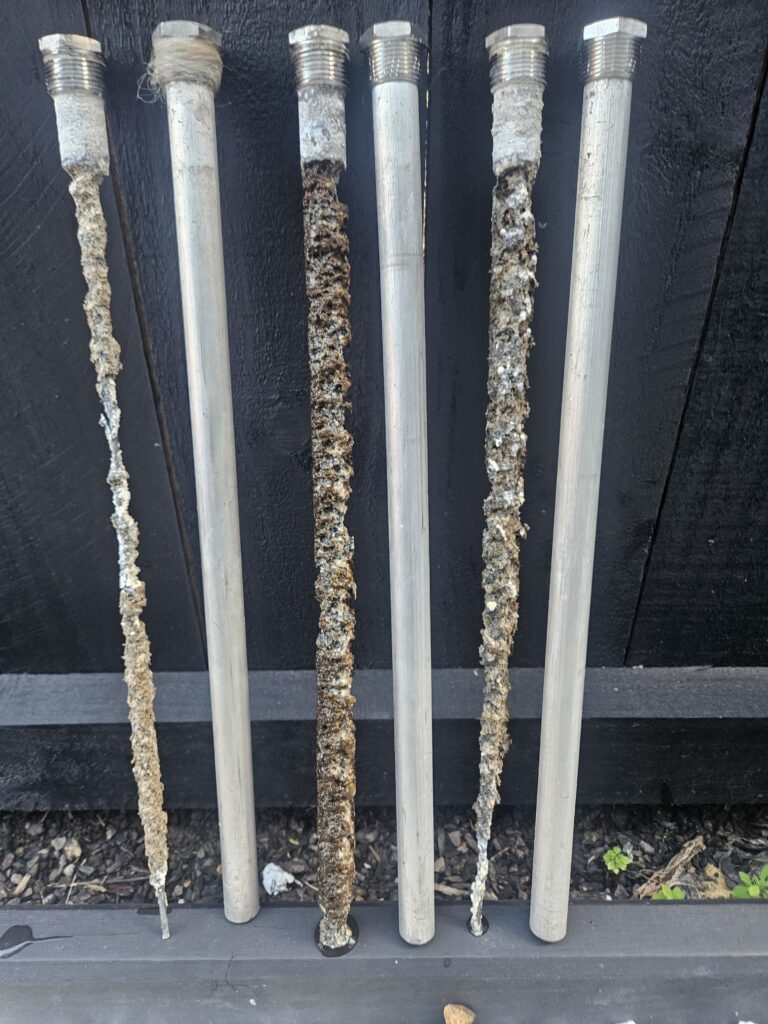
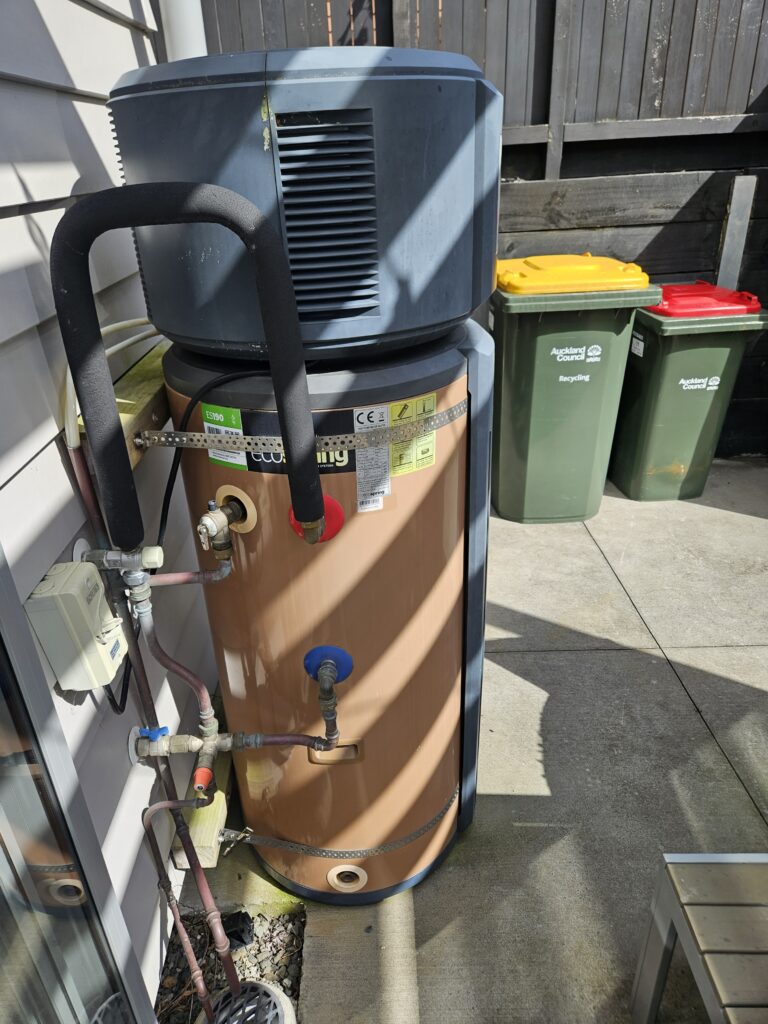
If you’ve got a hot water heat pump or traditional hot water cylinder at home, there’s one small component that can make a massive difference to the lifespan of your system – the anode.
Most homeowners have never heard of it until something goes wrong.
Yet this simple part plays a critical role in protecting the inside of your cylinder from corrosion, leaks, and premature failure.
What Is an Anode?
An anode rod (often called a sacrificial anode) is a metal rod installed inside your hot water cylinder.
Its job is simple:
It sacrifices itself so your hot water cylinder doesn’t corrode.
Because water naturally contains minerals and impurities, the inside of your cylinder is constantly exposed to conditions that can cause rust and deterioration over time. The anode attracts this corrosion first, protecting the steel tank around it.
Think of it like a protective shield for your hot water system.
Why Are Anodes Important?
Without a healthy anode, corrosion can begin attacking the inside of your cylinder directly.
This can lead to:
- Rust and internal cylinder damage
- Reduced hot water system lifespan
- Expensive cylinder replacements
- Leaks and water damage
- Reduced efficiency
- Costly emergency plumbing repairs
Replacing an anode is a relatively low-cost maintenance item compared to replacing an entire hot water cylinder or heat pump system.
Why This Matters Even More for Hot Water Heat Pumps
Hot water heat pumps are becoming increasingly popular across Auckland because they are energy efficient and cheaper to run than traditional electric cylinders.
However, many homeowners assume “new technology” means “maintenance free” – which is not the case.
Most hot water heat pump systems still rely on a storage cylinder, meaning they still contain an anode that needs inspection and replacement over time.
In fact, protecting the cylinder portion of your heat pump system is critical because replacement costs can be significantly higher than standard systems.
How Often Should an Anode Be Replaced?
This depends on:
- Water quality
- Household water usage
- Cylinder type
- Manufacturer recommendations
- Whether you have softened or filtered water
As a general guide, anodes should usually be inspected every 3-5 years.
Some homes may require replacement sooner, especially in areas with harsher water conditions.
Signs Your Anode May Need Replacing
Most people won’t notice obvious symptoms until damage has already started, but warning signs can include:
- Rust-coloured hot water
- Strange smells from hot water
- Popping or crackling noises from the cylinder
- Reduced hot water performance
- Visible corrosion around fittings
- Older cylinders with no maintenance history
The safest option is preventative maintenance before issues appear.
The Cost of Ignoring It
A failed anode can eventually lead to full cylinder corrosion.
Once the inside of the tank starts rusting, replacement is often the only option.
For many homeowners, that can mean:
- Thousands of dollars in replacement costs
- Emergency plumbing callouts
- Temporary loss of hot water
- Potential water damage to surrounding areas
Replacing an anode early is one of the easiest ways to extend the life of your hot water system and avoid unnecessary costs.
Can All Anodes Be Replaced?
Many systems allow for anode replacement, but accessibility and cylinder design can vary depending on the brand and age of the system.
A plumber can inspect your system and advise:
- Whether your anode can be replaced
- Its current condition
- Whether your cylinder is showing signs of deterioration
- What preventative maintenance is recommended
Protect Your Hot Water System Before Problems Start
At Laser Plumbing Te Atatū, we help homeowners maintain and protect their hot water systems before corrosion leads to costly failures.
Whether you have:
- A hot water heat pump
- Electric hot water cylinder
- Mains pressure system
- Older low pressure cylinder
We can inspect your system and replace worn anodes to help extend the life of your hot water setup.
Book an Anode Inspection or Replacement
If your hot water cylinder hasn’t been checked in years, now is a good time to stay ahead of corrosion before winter demand increases.
Contact Laser Plumbing Te Atatū today to arrange an inspection or anode replacement.