

Preventative Maintenance Advisory - Flexible Water Hoses (Flexi Hoses)
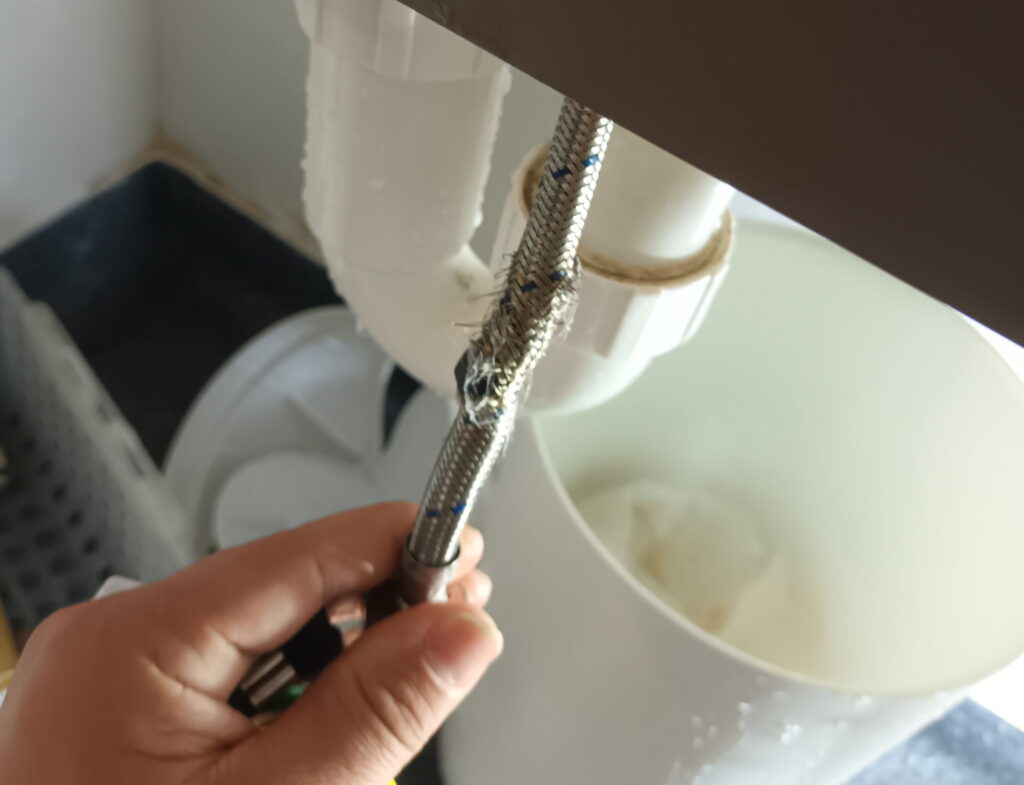
Flexible water hoses – commonly known as flexi hoses – are found under sinks, behind toilets, vanities, dishwashers, fridges, and hot water systems in most modern homes. While they’re convenient and widely used, they are also one of the most common causes of sudden household water damage when left unchecked.
A failed flexi hose can burst without warning, releasing large volumes of water into your home within minutes and causing significant damage to flooring, cabinetry, walls, and personal belongings.
Why Flexi Hoses Fail
Flexi hoses are not designed to last forever. Over time, the internal rubber lining and external braided layer deteriorate due to:
- Constant water pressure
- Heat exposure
- Age and wear
- Poor installation
- Corrosion or moisture build-up
- Twisting or kinking of the hose
Because deterioration often happens internally, a hose can appear completely fine on the outside right up until failure occurs.
Recent Client Incident
We recently attended a property where a burst flexi hose caused extensive flooding while the homeowners were away. By the time the leak was discovered, water had spread throughout multiple rooms, damaging flooring, cabinetry, and walls.
What started as a relatively inexpensive plumbing component resulted in a costly insurance claim and major disruption for the homeowner.
Unfortunately, situations like this are becoming increasingly common.
Expected Lifespan
Most flexi hoses should be inspected regularly and typically replaced every 5-10 years depending on:
- Brand and quality
- Water pressure
- Exposure to heat and moisture
- Installation environment
- Frequency of use
If you’re unsure how old your hoses are, it’s worth having them checked as part of routine preventative maintenance.
Key Warning Signs – Replace Immediately
If you notice any of the following, we strongly recommend replacement:
- Rust or corrosion around fittings
- Fraying or damaged braided steel
- Bulging or swelling in the hose
- Kinks or twisting
- Water staining or moisture around connections
- Visible leaks or dripping
- Hoses older than 5-10 years
Additional Risk Factors
Certain homes and properties may face increased risk, including:
- Older homes with ageing plumbing
- Properties left vacant for long periods
- High water pressure systems
- Poor quality or unbranded hoses
- Areas exposed to direct sunlight or excessive heat
- Hoses installed in tight spaces causing tension or bending
Why Preventative Replacement Matters
Replacing flexi hoses before failure is a simple and cost-effective way to reduce the risk of major water damage.
A routine inspection can help identify ageing or high-risk hoses before they become a problem – providing peace of mind and potentially saving thousands in repair costs.
Need Your Flexi Hoses Checked?
If you’re unsure about the condition or age of your flexi hoses, our team can inspect and replace them as part of a preventative plumbing maintenance check.
Whether it’s a single hose or a full property inspection, we can help ensure your plumbing system is safe, compliant, and reliable.
Contact Us
Jason Turia
Laser Plumbing Te Atatū
Phone: 0800 374 500
Email: teatatu@laserplumbing.co.nz